Coral reef fish in French Polynesia
NSF Funded French Polynesia

Community-based Marine Resource Management

Tahiti, French Polynesia

I am currently involved in an NSF project called TEMPO, which is a team of researchers, students, nonprofit organization staff, and community partners studying temporary ocean management, funded by the National Science Foundation. TEMPO stands for Temporal Eco-social Management and Productivity of Oceans.

We study temporary fisheries closures designed by fisherfolk themselves, where fishers voluntarily forgo benefits for a period of time to recover depleted fisheries and care for their coastal ecosystems. While permanently-protected areas are well-studied, our team has recognized a knowledge gap around temporary closures led by fishers.

Click here for the TEMPO website.

Coral Reef Ecology Local Ecological Knowledge Marine Management Community Conservation
Village on Simbo Island, Solomon Islands
NSF Funded Solomon Islands

Sensing Disaster: Indigenous Knowledge & Vulnerability

Simbo Island, Western Solomon Islands

This project investigates how Simbo Island communities in the western Solomon Islands draw on Indigenous ecological knowledge to understand, anticipate, and respond to disasters—particularly tsunamis and volcanic events. The research challenges assumptions built into mainstream disaster risk frameworks by foregrounding local ways of knowing.

Simbo communities have developed rich bodies of knowledge about environmental signals, landscape change, and nonhuman behavior that inform how people sense and respond to natural hazards. This research documents that knowledge and explores how it intersects with—and sometimes conflicts with—outside scientific and governmental approaches to disaster preparedness.

This work forms the empirical foundation of the book Sensing Disaster: Local Knowledge and Vulnerability in Oceania (UC Press), which argues for fundamentally rethinking how disaster vulnerability is understood and measured.

Indigenous Knowledge Disaster Vulnerability Tsunami Response Oceania
Free-dive spearfishing in San Diego
Ongoing San Diego

Free-Dive Spearfishing & Urban Marine Knowledge

San Diego, California

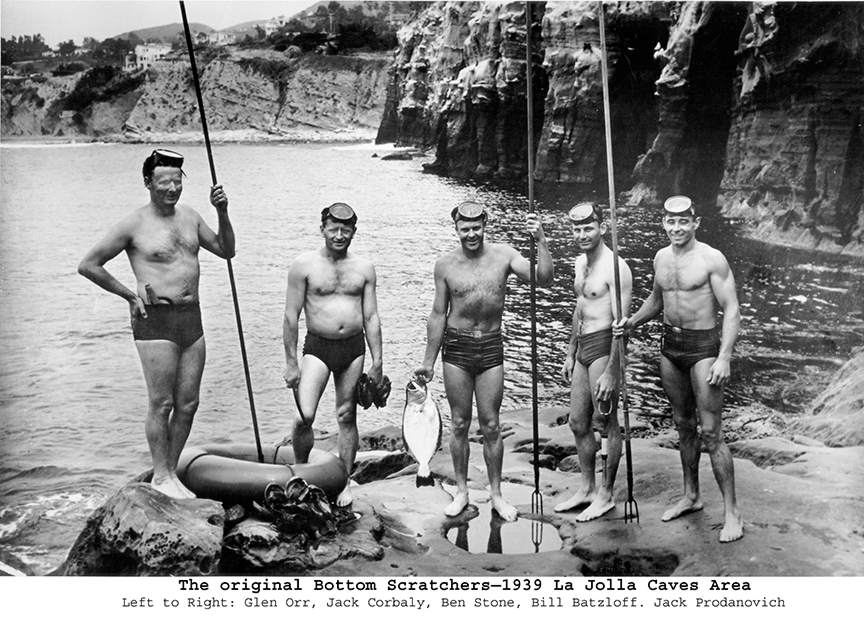
This ongoing project documents the history and current practices of San Diego’s free-dive spearfishing community—one of the oldest and most active in North America. The research explores how practitioners develop detailed local ecological knowledge about kelp forest ecosystems, fish behavior, and seasonal patterns through years of embodied underwater practice.

The project investigates questions about how non-institutional communities of practice generate and transmit environmental knowledge, how that knowledge compares to scientific assessments of local marine ecosystems, and what role these communities might play in urban coastal stewardship.

This research extends the broader themes of my Pacific work into an urban California context, exploring connections between local knowledge, identity, and environmental engagement across very different cultural and ecological settings.

Local Ecological Knowledge Urban Fisheries Kelp Forest Ecology Communities of Practice